Public Health Experts Validate PHEOC Handbook
-
by
afenetghana
Public health emergencies in Ghana have become increasingly complex, with the country facing emerging and re-emerging infectious diseases such as COVID-19 and Lassa fever. To strengthen national preparedness, Ghana has committed to international frameworks including the International Health Regulations (IHR 2005) and the Global Health Security Agenda (GHSA). Central to this effort is the Public Health Emergency Operations Centre (PHEOC), which serves as a command and coordination hub for emergency preparedness and response. Despite existing structures, gaps in standardised coordination, operational procedures, and formal documentation have previously limited the effectiveness of emergency response. National assessments, including SPAR 2024 and JEE 2025, identified the absence of a documented PHEOC Handbook as a key limitation, prompting the Ghana Health Service (GHS), in collaboration with KOICA, CDC, AFENET, and WHO, to draft the handbook to provide structured guidance for emergency operations.
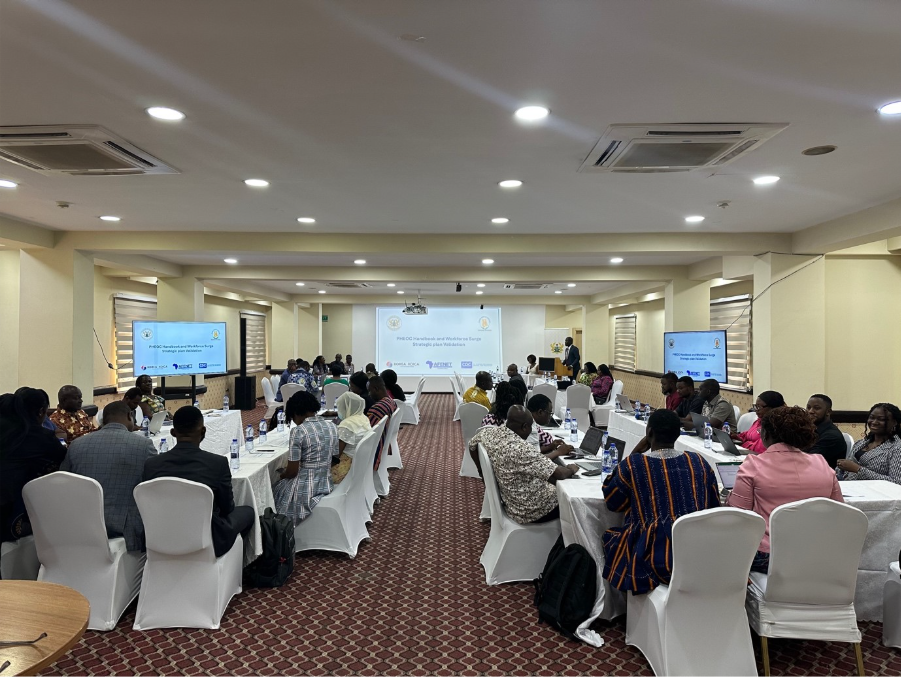
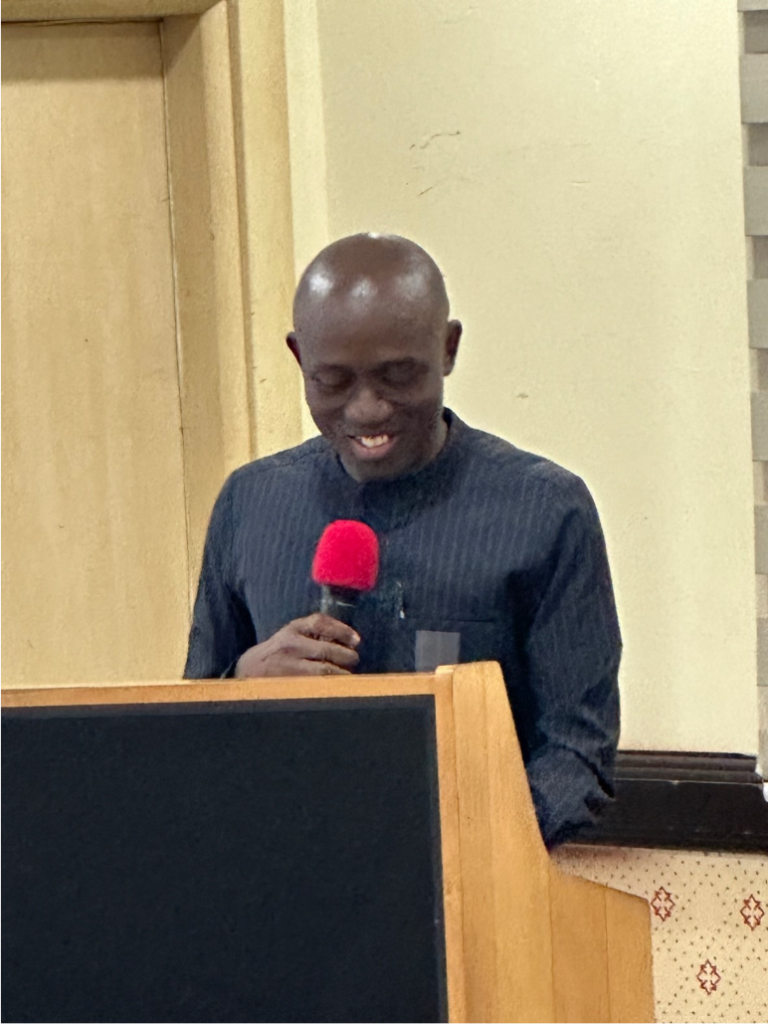
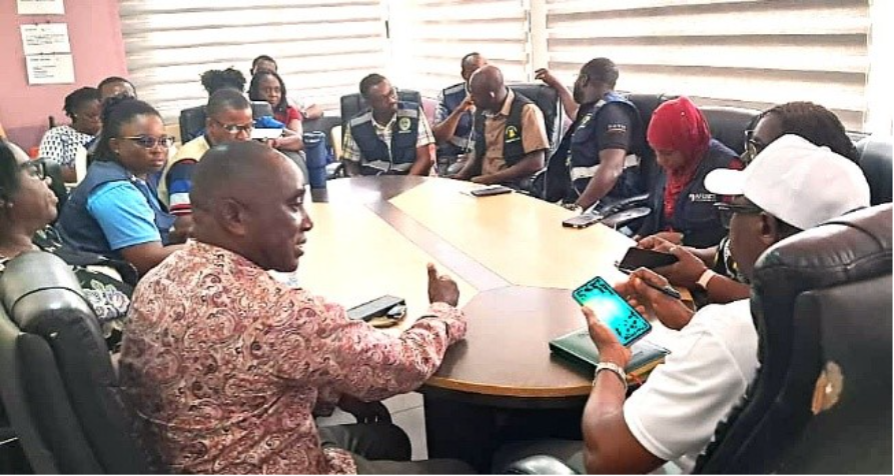
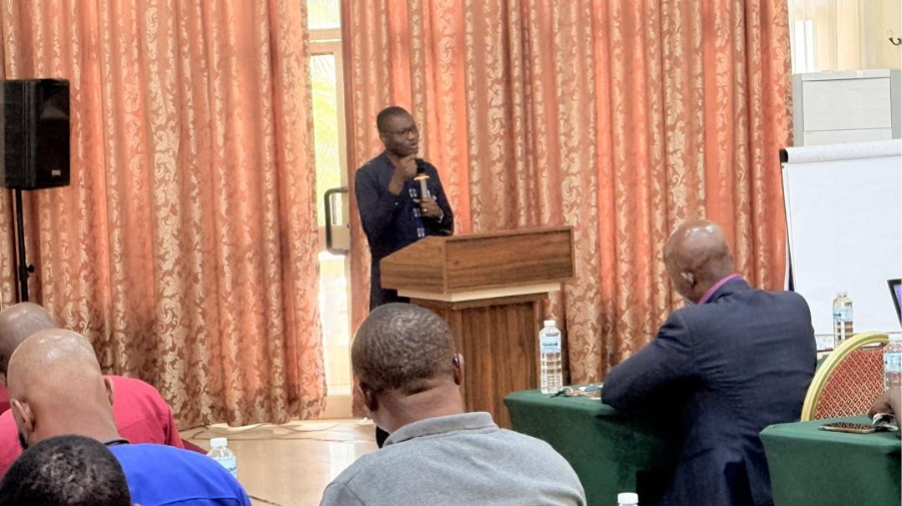
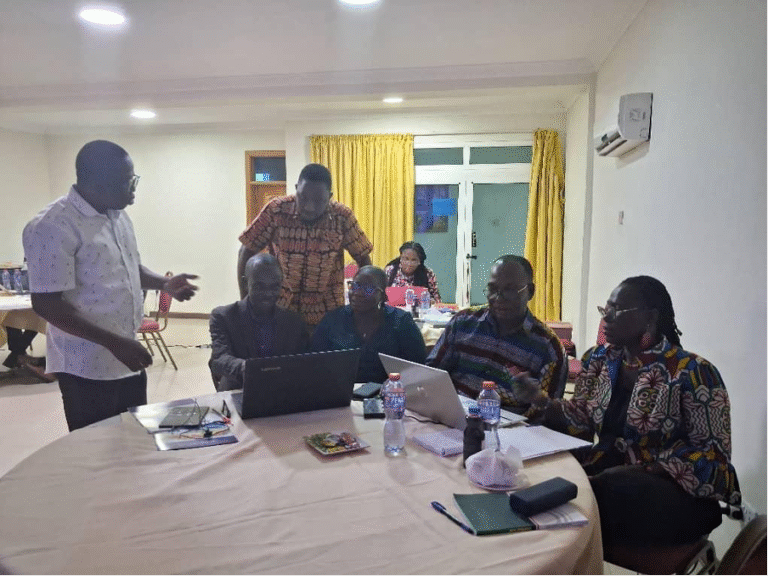
With funding support from the Korea International Cooperation Agency, a stakeholder validation workshop was held from 16th to 17th December 2025 at the AH Hotel in Accra to review, refine, and validate the draft PHEOC Handbook and the Public Health Workforce Surge Strategic Plan. The workshop brought together sixty-four technical experts from the human, animal and environmental health sectors, ensuring a One Health approach. The two-day in-person workshop used an interactive methodology, combining group work, plenary discussions, and hands-on revision of chapters, allowing participants to harmonise technical expertise with operational realities.
Key revisions to the handbook included updates to geographic vulnerabilities and institutional roles; clarification of legal frameworks and authorisation processes; enhancements to PHEOC core components, reporting lines, activation protocols, and lead agency roles; updates to data management tools, RCCE strategies, and training and continuity plans; and inclusion of operational and hygiene logistics, as well as backup power solutions.
The workshop was successful in fostering collaboration, integrating One Health perspectives, and aligning international best practices with Ghana-specific operational needs. The validated PHEOC Handbook and surge plan provide a practical, user-friendly framework that enhances Ghana’s capacity to respond effectively to public health emergencies, strengthens national health security, and supports compliance with international standards.