KOICA’s Support Strengthens Ghana’s Mpox Outbreak Investigation and Response in Western and Ashanti Regions of Ghana
-
by
afenetghana
In 2025, Ghana faced an Mpox outbreak that affected multiple regions, with the Western Region emerging as the initial epicentre in April, followed by confirmed cases in the Ashanti Region in June. The outbreak posed a significant public health threat, particularly in high-risk settings such as mining communities, urban centres, and densely populated districts. Amid limited logistics and rising transmission risks, the timely support of the Korean International Cooperation Agency (KOICA) proved critical in strengthening outbreak investigation, containment, and response efforts across both regions.
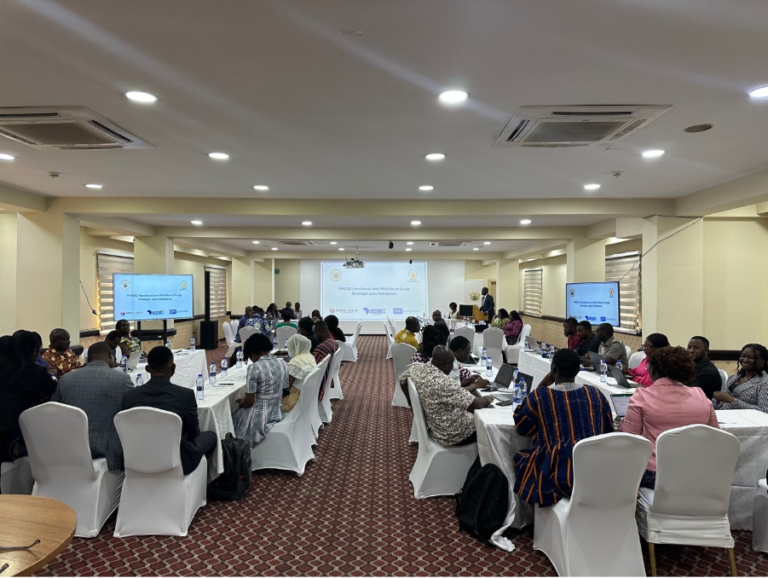
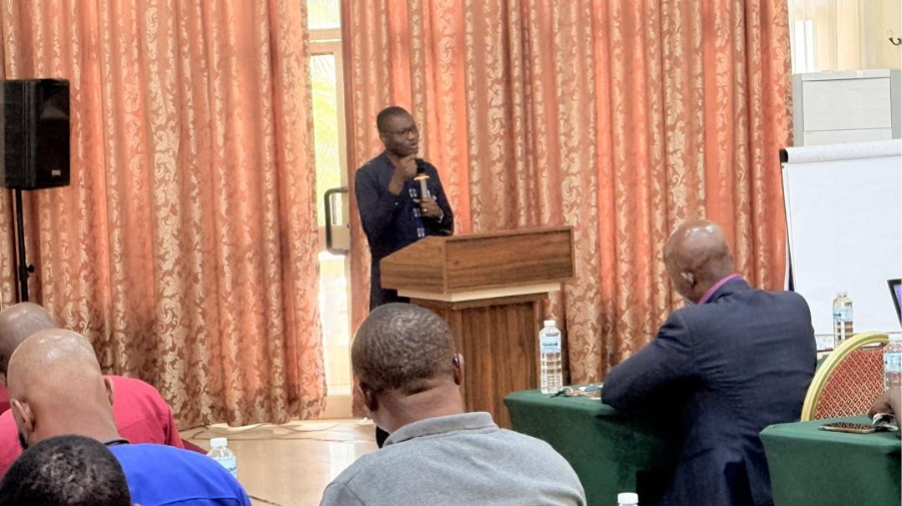
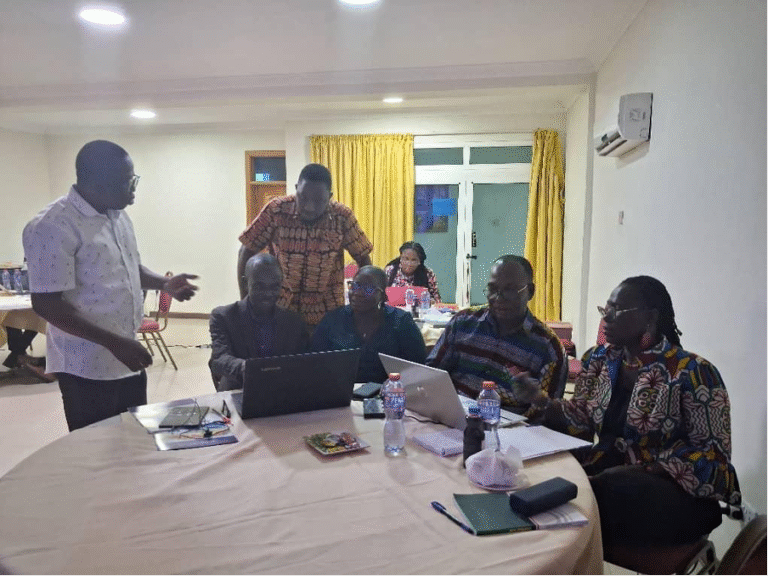
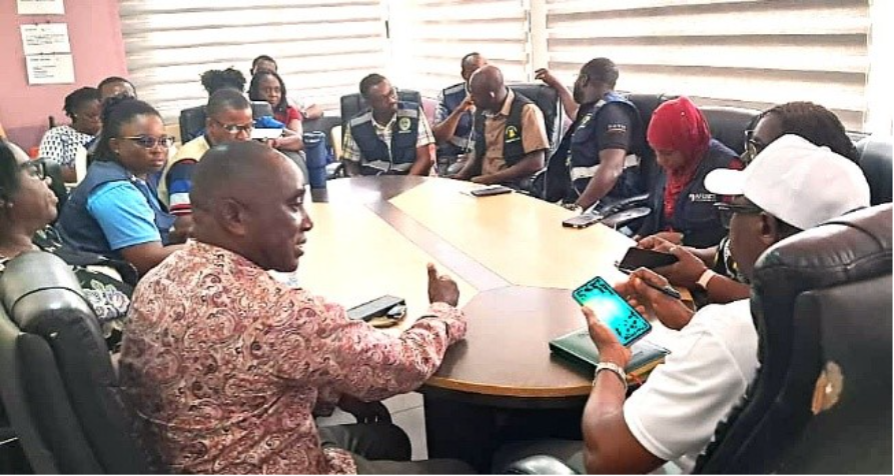
With KOICA’s support, Regional Health Directorates in both Western and Ashanti Regions rapidly deployed a PHEOC-led coordinated, multi-district response focused on active case search, contact tracing, and sample collection. In the Western Region, more than 15,000 clinical records were reviewed across hospitals, ART/TB centres, mining sites, brothels, and communities, leading to the identification of previously missed suspected cases. Similarly, in the Ashanti Region, over 29,000 clinical records were reviewed across health facilities, enabling early detection and swift investigation of suspected cases across 11 districts. These intensified surveillance activities significantly reduced delays in case identification and reporting.
KOICA’s assistance also strengthened contact tracing and follow-up systems in both regions. Over 400 contacts were traced and monitored in the Western Region, while 130 contacts were followed up in the Ashanti Region through sustained home visits, telephone monitoring, and real-time data capture using the Surveillance Outbreak Response Management and Analysis System (SORMAS). Importantly, none of the monitored contacts in Ashanti developed secondary infections, demonstrating effective containment and interruption of transmission chains.
In addition, KOICA funding supported safe, timely sample collection and transportation to the National Public Health Reference Laboratory, reducing laboratory turnaround times and enabling faster case confirmation. The provision of personal protective equipment (PPEs), infection prevention and control (IPC) supplies, and essential logistics ensured the safety of frontline responders and continuity of field operations. Regular monitoring and supervision by Regional Rapid Response Teams further strengthened coordination, adherence to IPC standards, and overall response quality.
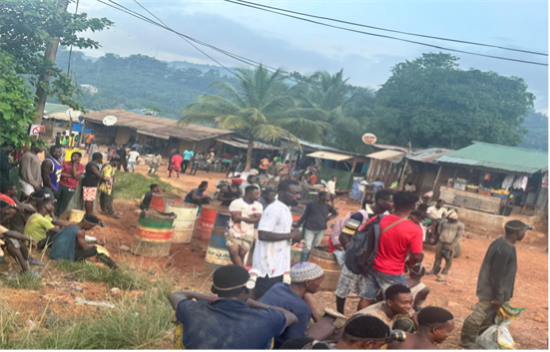
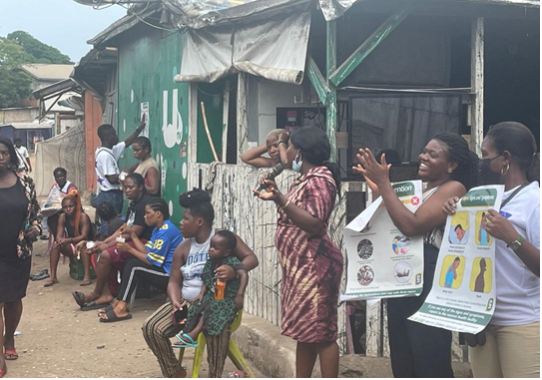
Community engagement and risk communication were also enhanced through KOICA’s support. Health teams conducted door-to-door sensitisation, radio discussions, market outreach, and community information sessions, improving public awareness of Mpox symptoms, prevention, and early reporting, while reducing stigma and misinformation.
By the end of the response period, both regions had successfully stabilized the outbreaks, with all confirmed cases managed and no deaths recorded. Beyond immediate outbreak control, KOICA’s support left behind strengthened surveillance systems, improved field investigation capacity, and enhanced preparedness for future public health emergencies. This integrated response across Western and Ashanti Regions demonstrates how a timely, targeted international partnership can protect lives, reinforce national health security, and build sustainable outbreak response capacity in Ghana.