Strengthening Rapid Response Teams for Effective Public Health Emergency Response in Ghana
-
by
afenetghana
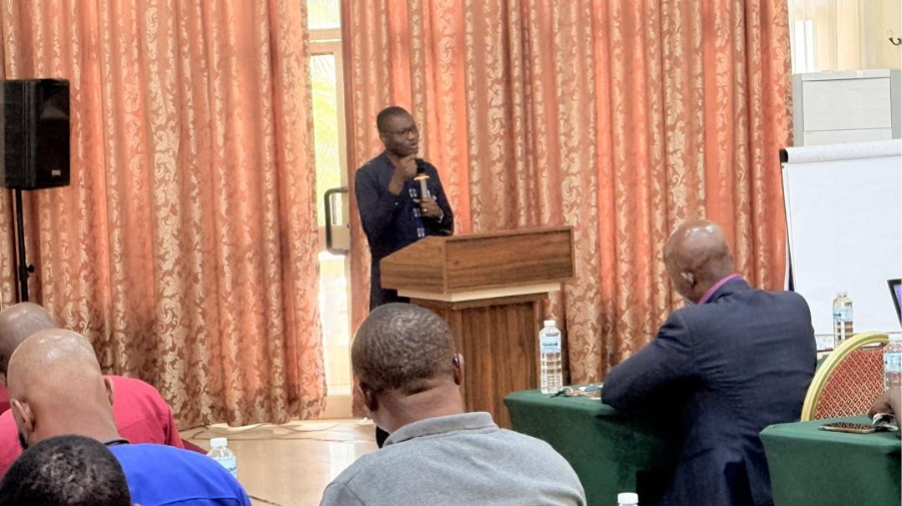
Ghana continues to strengthen its public health emergency preparedness and response capacities in line with the International Health Regulations (IHR). As part of these efforts, the Ghana Health Service (GHS) incollaboration with AFENET organized a training for Rapid Response Team (RRT) members at the national and regional levels to enhance their capacity to detect, investigate, and respond effectively to public health emergencies in accordance with the Integrated Disease Surveillance and Response (IDSR) strategy.
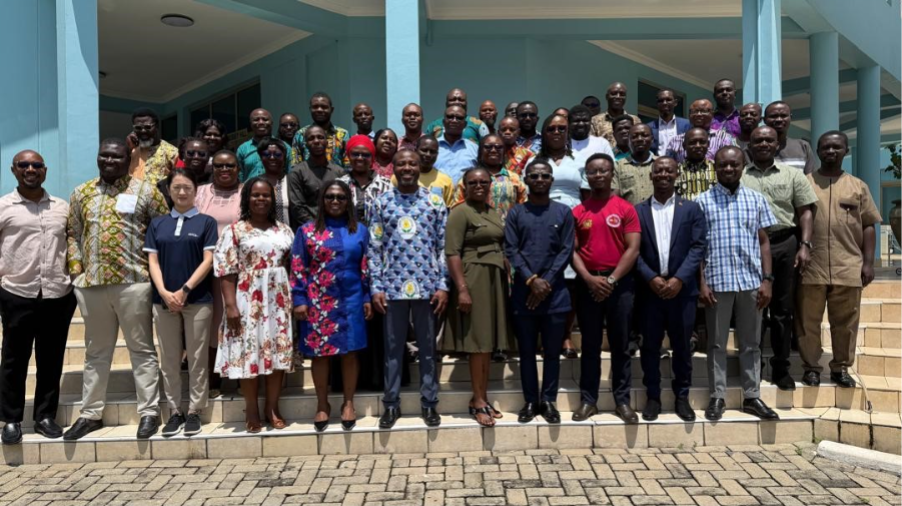
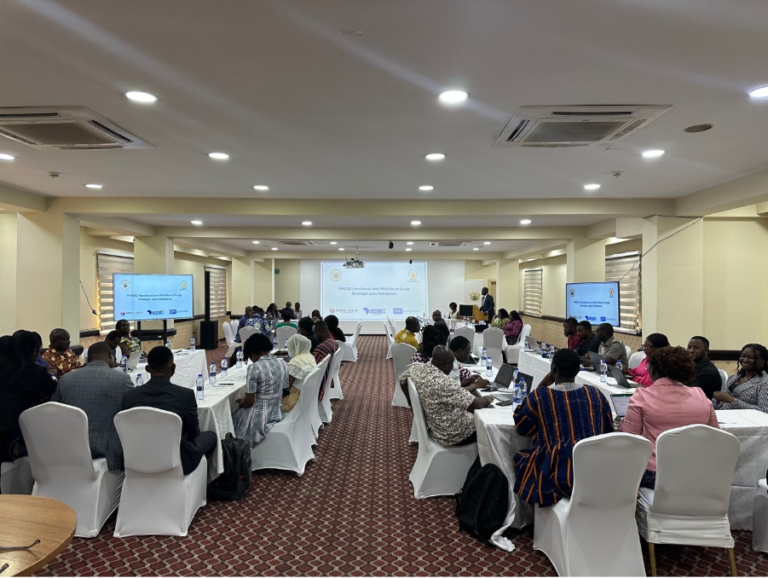
The two-day residential training was held from 13–14 October 2025 at the Capital View Hotel in Koforidua, Eastern Region. It brought together officers from the Ghana Health Service, National Disaster Management Organisation (NADMO), Veterinary Services Directorate (VSD), and Environmental Protection Authority (EPA). Participants represented the Greater Accra, Ashanti, Western, Eastern, Central, and Western North Regions, reinforcing the importance of a multisectoral approach to public health emergency preparedness and response.
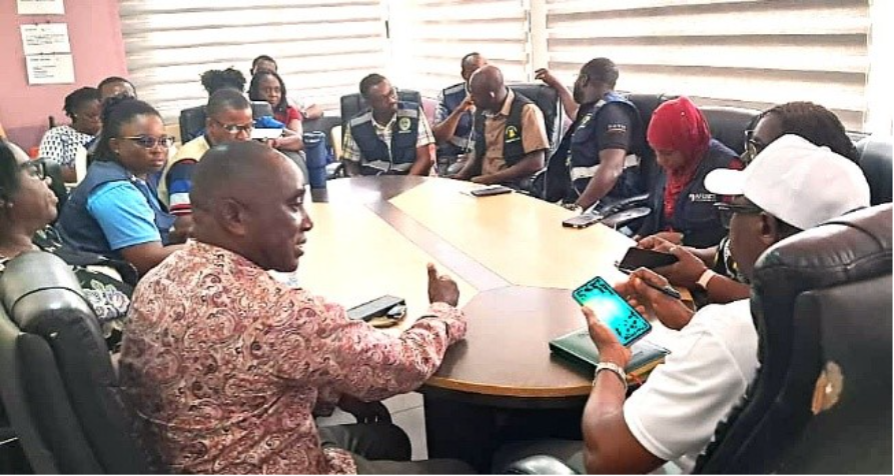
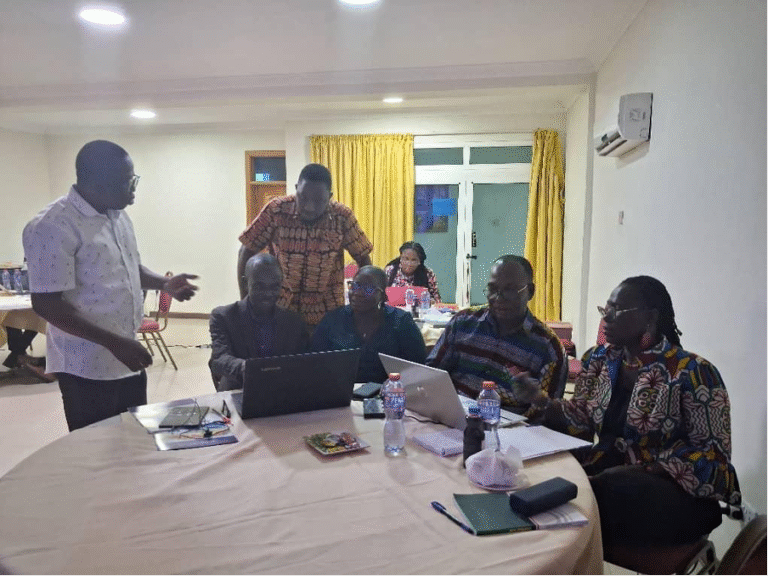
The training covered key areas essential to strengthening rapid response capabilities, including the 7-1-7 Target and Early Action Review, amendments to the International Health Regulations, the Pandemic Agreement, public health surveillance and IDSR, outbreak investigation, and report writing. Through interactive sessions and knowledge sharing, participants strengthened their understanding of the processes and tools required for the timely detection, investigation, and management of public health threats. The training also provided an opportunity to strengthen coordination among institutions with critical roles in emergency preparedness and response.
Overall, the training strengthened multisectoral collaboration and enhanced the technical and operational readiness of RRT members to respond to public health emergencies in a timely, coordinated, and effective manner. Building these capacities contributes to Ghana’s broader efforts to strengthen health security and ensure that national and regional teams are prepared to respond when public health threats emerge.
The training was funded by the Korea International Cooperation Agency (KOICA) through the U.S. Centers for Disease Control and Prevention (US CDC), in collaboration with the African Field Epidemiology Network (AFENET), as part of the KOICA-GHSA Phase II Project.