Ghana Develops Simulation and Skill Drill Materials to Strengthen Outbreak Preparedness and Response
-
by
afenetghana
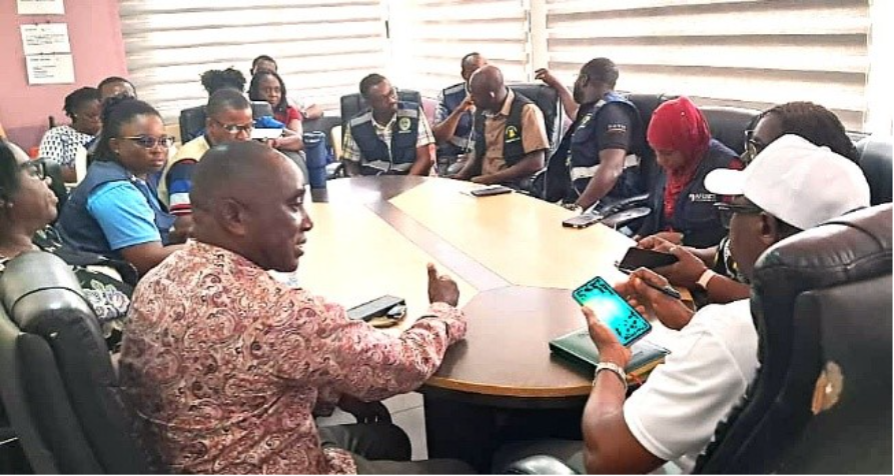
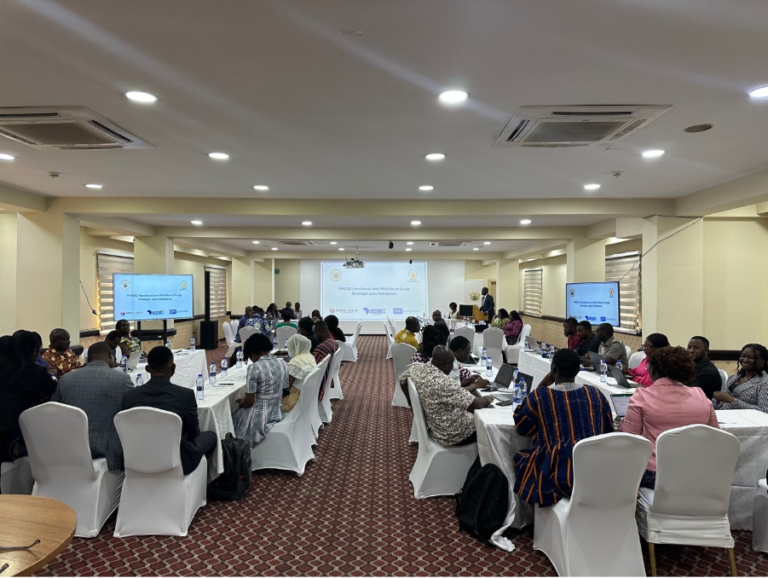
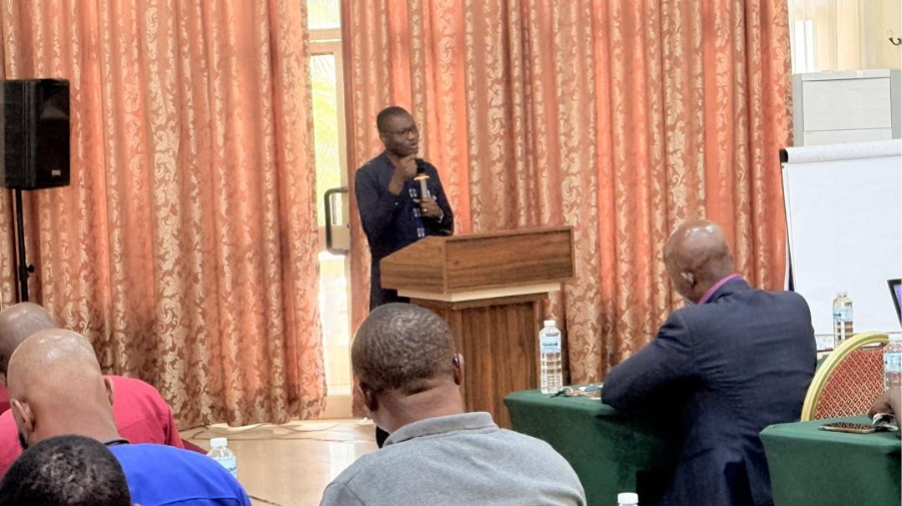
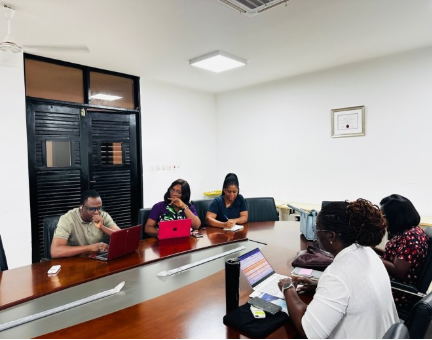
From 11–15 August 2025, a team of public health professionals convened for a five-day technical working session to develop simulation and skill drill materials aimed at strengthening outbreak preparedness and response in Ghana. The meeting focused on designing standardized, scenario-based training tools aligned with the Public Health Emergency Operations Centre (PHEOC) framework and the Incident Management System (IMS). Emphasis was placed on building the practical skills required by public health professionals to effectively manage and respond to real-world disease outbreaks and other public health emergencies.
Over the course of the five-day session, the team collaboratively developed eight core scenario-based modules covering critical functions across the outbreak response cycle. The modules focused on:
- Rapid Response Team activation;
- Logistics and field readiness;
- Sample collection, handling, and transport;
- Coordination mechanisms;
- Rapid risk assessment;
- Case investigation;
- Active case search and contact tracing; and
- Risk communication during outbreaks.
Each module was structured to take facilitators and trainees through realistic outbreak response situations. The materials incorporate clearly defined learning objectives, scenario narratives, operational decision points, and expected actions, enabling participants to apply their knowledge and practice critical response skills in a controlled environment. The materials were developed in line with relevant guidance from the World Health Organization (WHO), Africa Centres for Disease Control and Prevention (Africa CDC), and U.S. Centers for Disease Control and Prevention (US CDC) and adapted to Ghana’s public health emergency preparedness and response context.
To support effective implementation, the modules include draft simulation injects, evaluation and observation checklists, facilitator guidance, and reporting templates. These resources are intended to facilitate structured debriefing and After-Action Reviews (AARs), allowing teams to identify strengths, gaps, and opportunities for improving emergency response systems. Designed for flexible and modular use at the national, regional, and district levels, the materials provide a strong foundation for cascade training and future simulation exercises. They also represent an important step towards institutionalizing simulation-based learning as part of Ghana’s public health emergency preparedness and response system.
The development of these tools will contribute to building a more prepared and responsive public health workforce by providing teams with opportunities to test systems, strengthen coordination, and practice essential outbreak response functions before emergencies occur. The activity was funded by the Korea International Cooperation Agency (KOICA) through the U.S. Centers for Disease Control and Prevention (US CDC), in collaboration with the African Field Epidemiology Network (AFENET), as part of the KOICA-GHSA Phase II Project.